
PACKAGING SOLUTIONS BY PRODUCT
Granule & Solid
Packaging Solutions
Match the weighing, product handling and bag format to what you pack—from free-flowing rice and sugar to fragile snacks, irregular solids and frozen foods.
Final equipment selection and performance depend on the product sample, target weight or piece count, pack specification and required output.
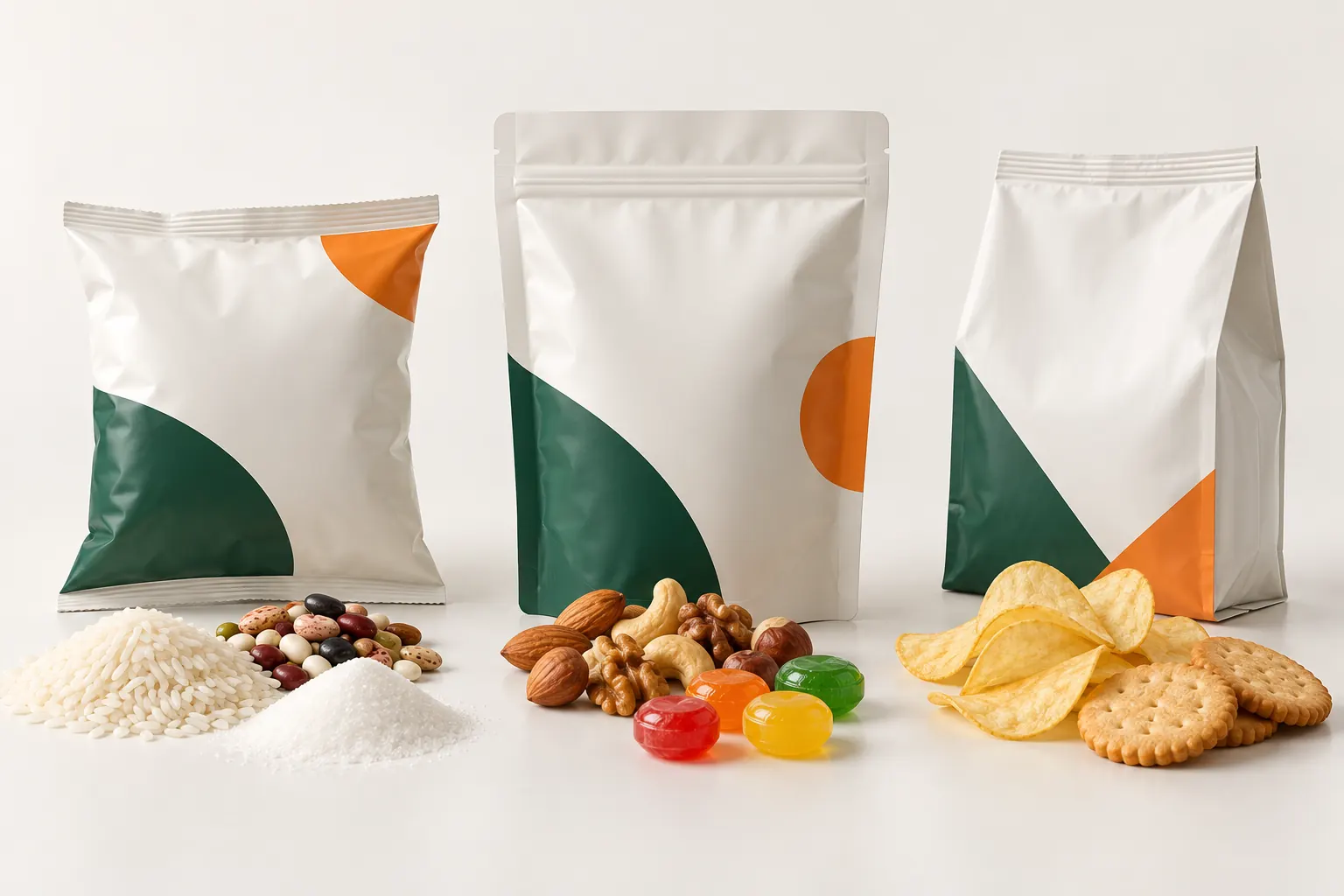
START WITH THE PRODUCT
What product are you packing?
Choose the closest product group. Its flow, shape, surface and breakage risk determine which feeding, dosing and packaging routes should be evaluated.
RICE, SUGAR & SALT
Does the product flow steadily, or too quickly?
Rice, granulated sugar and coarse salt may look similar at first, but particle size, density and flow rate change how the product should be fed, measured and released into the bag. Fine salt may behave more like a powder and needs separate review.
- Flow
- Free-flowing or fast-flowing particles need controlled feeding and a consistent cutoff.
- Dosing routes
- Volumetric cups, linear weighing and multihead weighing should be compared against density variation, target weight and allowable giveaway.
- Seal risk
- Small grains can continue falling or rebound into the cross-seal area if timing and headspace are not matched to the pack.
- Confirm with
- Particle size, bulk density, target weight, bag dimensions and the required output.
BEANS, PULSES & SEEDS
Are you packing one variety or a controlled mix?
Beans, lentils, chickpeas and seeds vary in size, shape and bulk density. Mixed products add another decision: whether the project needs only a total target weight or a controlled proportion of each component.
- Flow
- Round beans move differently from flat lentils or very small seeds, so feeder settings and outlet sizes cannot be assumed from the category name.
- Dosing routes
- Linear or multihead weighing may be evaluated; volumetric dosing is considered only when product density and permitted weight variation make it suitable.
- Seal risk
- Small seeds and broken pieces can remain in the product drop or reach the pouch mouth during sealing.
- Confirm with
- Varieties, component ratio, size range, target weight, changeover frequency and pack opening.
NUTS, SNACKS & BAKERY
How much product damage is acceptable?
Nuts, chips, puffed snacks, biscuits and cereal can differ widely in piece volume and breakage sensitivity. Product drop, vibration, collisions and transfer into the bag all influence the finished-pack appearance.
- Breakage
- Lower drop distances, controlled vibration and suitable contact surfaces should be evaluated with actual samples.
- Dosing routes
- Multihead or gentle-handling weighing is a common starting point, but hopper volume and product path must match the pieces.
- Seal risk
- Crumbs, seasoning and product bounce can contaminate the seal area if discharge and the bag cycle are not coordinated.
- Confirm with
- Piece dimensions, target weight, acceptable breakage, seasoning condition and finished bag size.
CANDY & CONFECTIONERY
Will the pack be sold by weight or by piece count?
Hard candy, gummies, coated chocolate pieces and wrapped confectionery do not share one feeding behaviour. Surface condition, temperature, product separation and the sales unit determine whether weighing or counting should be assessed.
- Surface
- Sticky, sugar-coated or temperature-sensitive pieces may cling together or leave residue on contact parts.
- Dosing routes
- Weight-based projects can evaluate linear or multihead weighing; counting requires reliable piece separation and sample testing.
- Seal risk
- Rolling pieces and wrapped products can enter the pouch mouth or prevent the sealing jaws from closing cleanly.
- Confirm with
- Piece dimensions, surface condition, weight or count target, mix requirements and operating temperature.
FROZEN FOODS
Is the product individually frozen or forming clusters?
Frozen vegetables, fruit, fries, dumplings and seafood pieces may be free flowing, frosted or partially clustered. Product condition and the cold-room environment influence weighing, sanitation and sealing reliability.
- Condition
- Frost, surface moisture and temperature changes can cause buildup or change how product moves through the line.
- Dosing routes
- Multihead or application-specific weighing should be reviewed against product flow, piece size and cleaning requirements.
- Seal risk
- Ice fragments and late-falling pieces can reach the cross-seal; the actual film and sealing conditions also matter.
- Confirm with
- Product temperature, IQF condition, cluster size, washdown requirements, target weight and film specification.
IRREGULAR, LONG OR FRAGILE SOLIDS
Can each piece travel through the line without bridging or damage?
Wafers, shaped pasta, snack sticks, dried fruit and large pieces may orient unpredictably, bridge across an outlet or be damaged by free fall. Some applications need belt-fed, semi-automatic or reduced-drop handling.
- Shape
- Long, flat or oversized pieces need enough clearance through feeders, hoppers, chutes and the bag opening.
- Dosing routes
- Gentle-handling multihead, linear, belt-fed or semi-automatic weighing may be evaluated from the product sample.
- Damage risk
- Orientation, drop height, collision points and discharge sequence can affect cracks, scuffing and finished appearance.
- Confirm with
- Maximum piece dimensions, orientation, fragility, target weight or count, pack opening and permitted manual input.
These are starting routes, not fixed machine selections. Final configuration and performance require the actual product, target pack and project conditions.
Send your product details ↗CHOOSE THE FINISHED PACK
Start with the package you need to sell.
The finished pack determines how the product enters the opening, how much headspace is available and which packaging-machine route should be reviewed. Choose the closest direction, then confirm it with the actual product, target fill and pack dimensions.
FORMED FROM ROLLSTOCK
Pillow, gusseted or block-bottom?
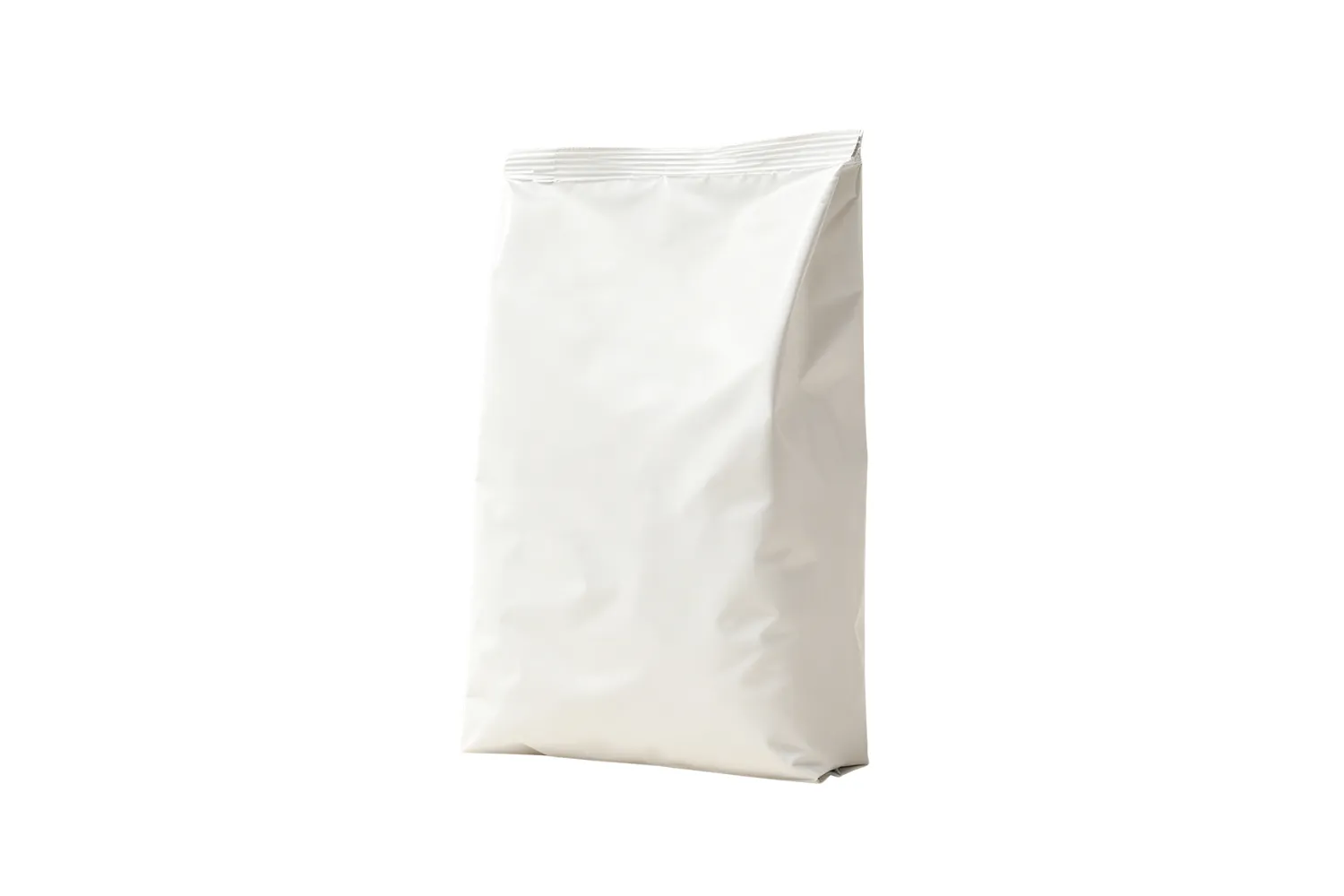
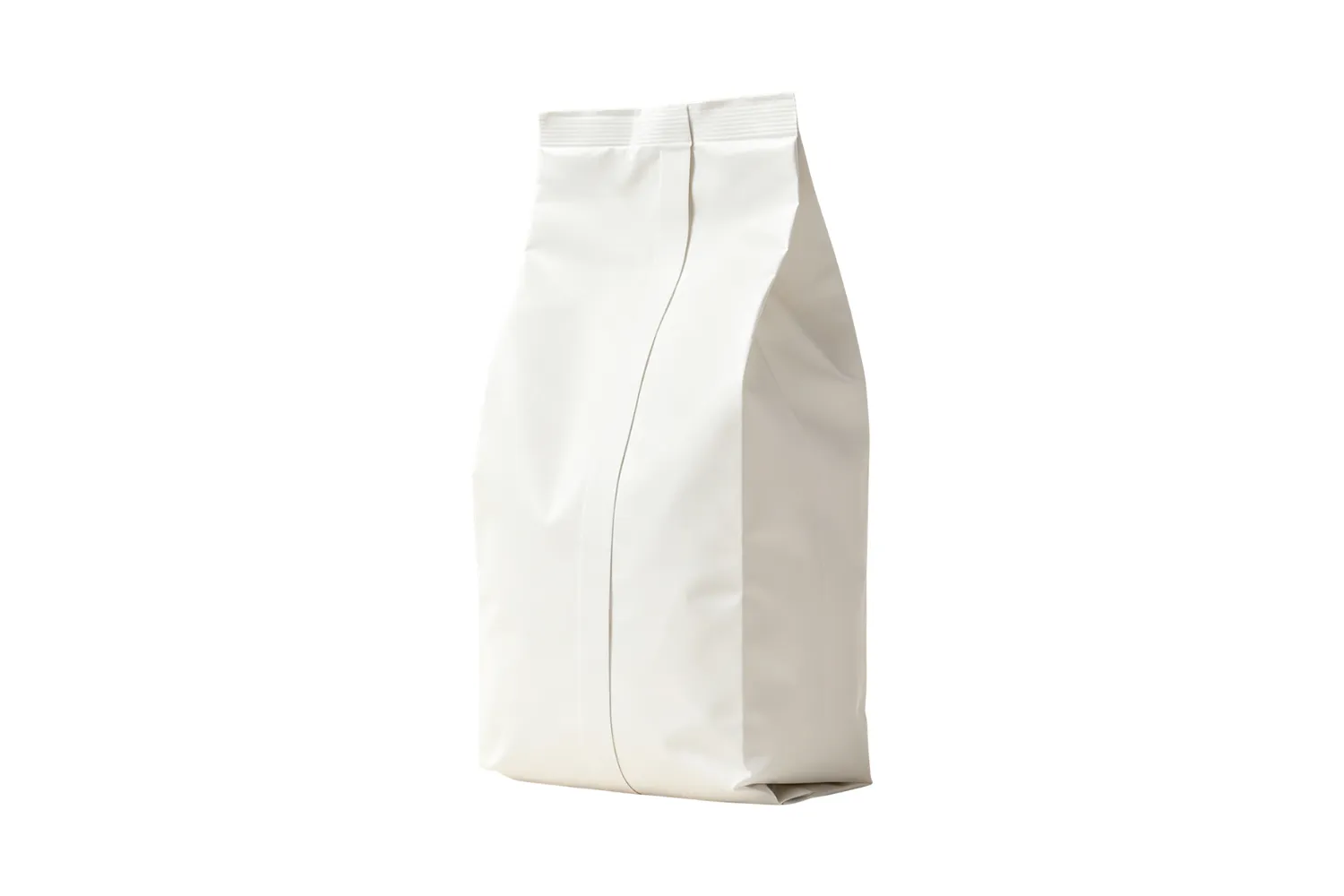
A vertical form fill seal machine forms the bag from rollstock, receives the measured product and closes the cross-seal. Bag width, product bulk and the product-drop timing need to work together.

- Product starting points
- Rice, beans, sugar, salt, nuts, snacks, candy and suitable frozen products.
- Format direction
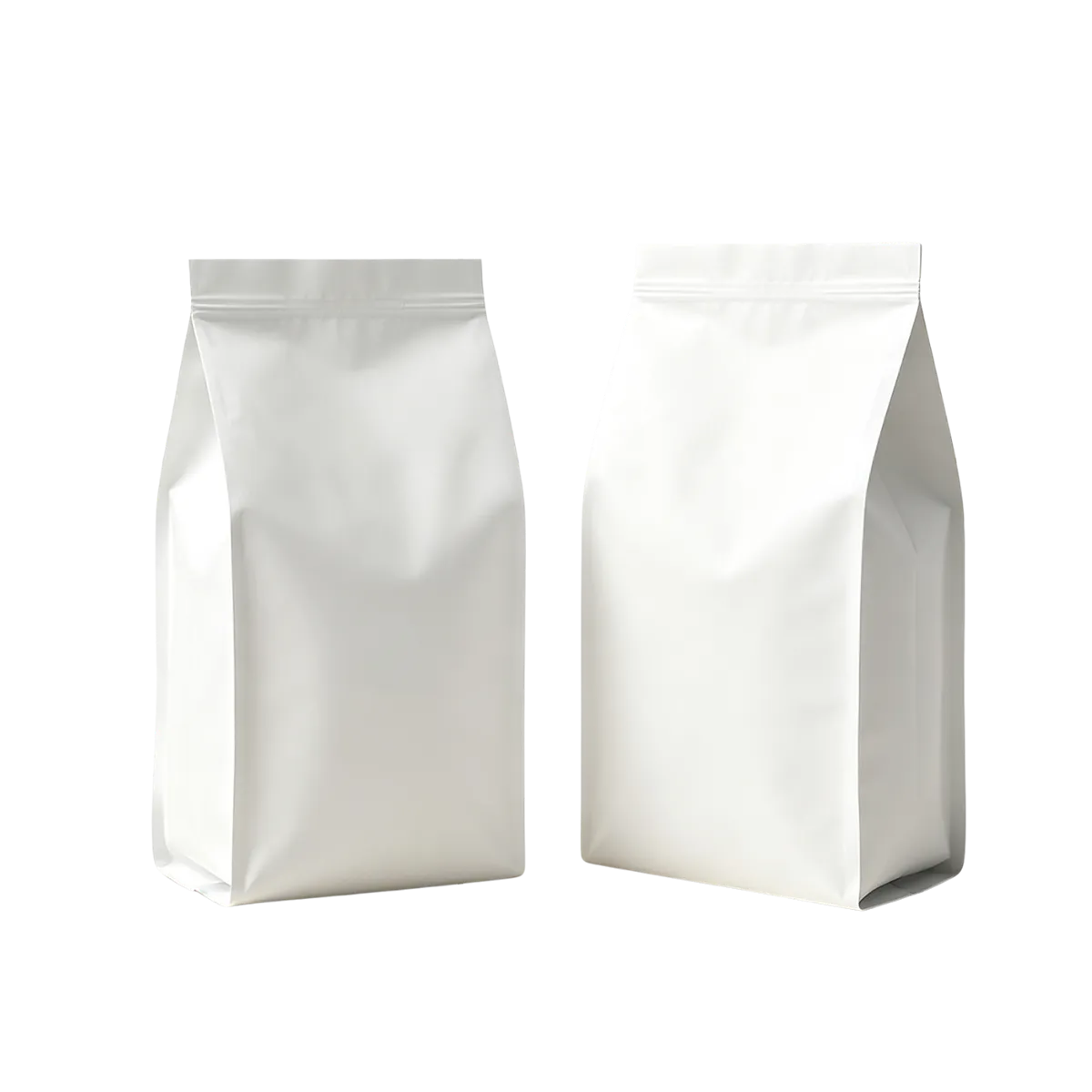
- Pillow bags provide a straightforward flexible format. Side gussets add volume; a block bottom supports a more stable upright presentation.
- Confirm before selection
- Target fill, bulk volume, bag width, maximum piece size, required headspace, film and sealing conditions.
- Watch the seal area
- Late-falling grains, bouncing pieces, crumbs or frost can reach the cross-seal if the drop path and bag cycle are not coordinated.
READY-MADE POUCHES
Do you need shelf presence or reclosure?
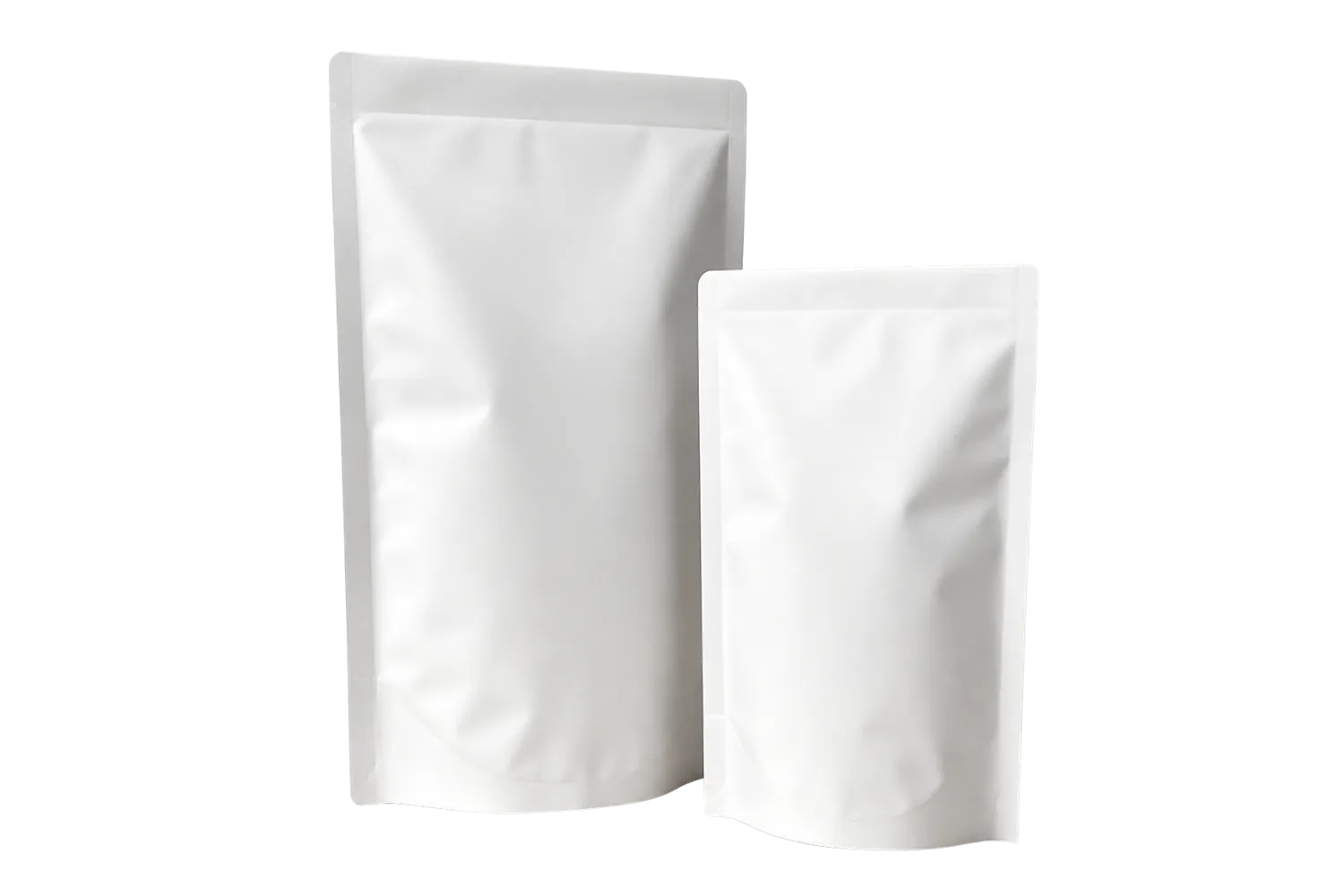
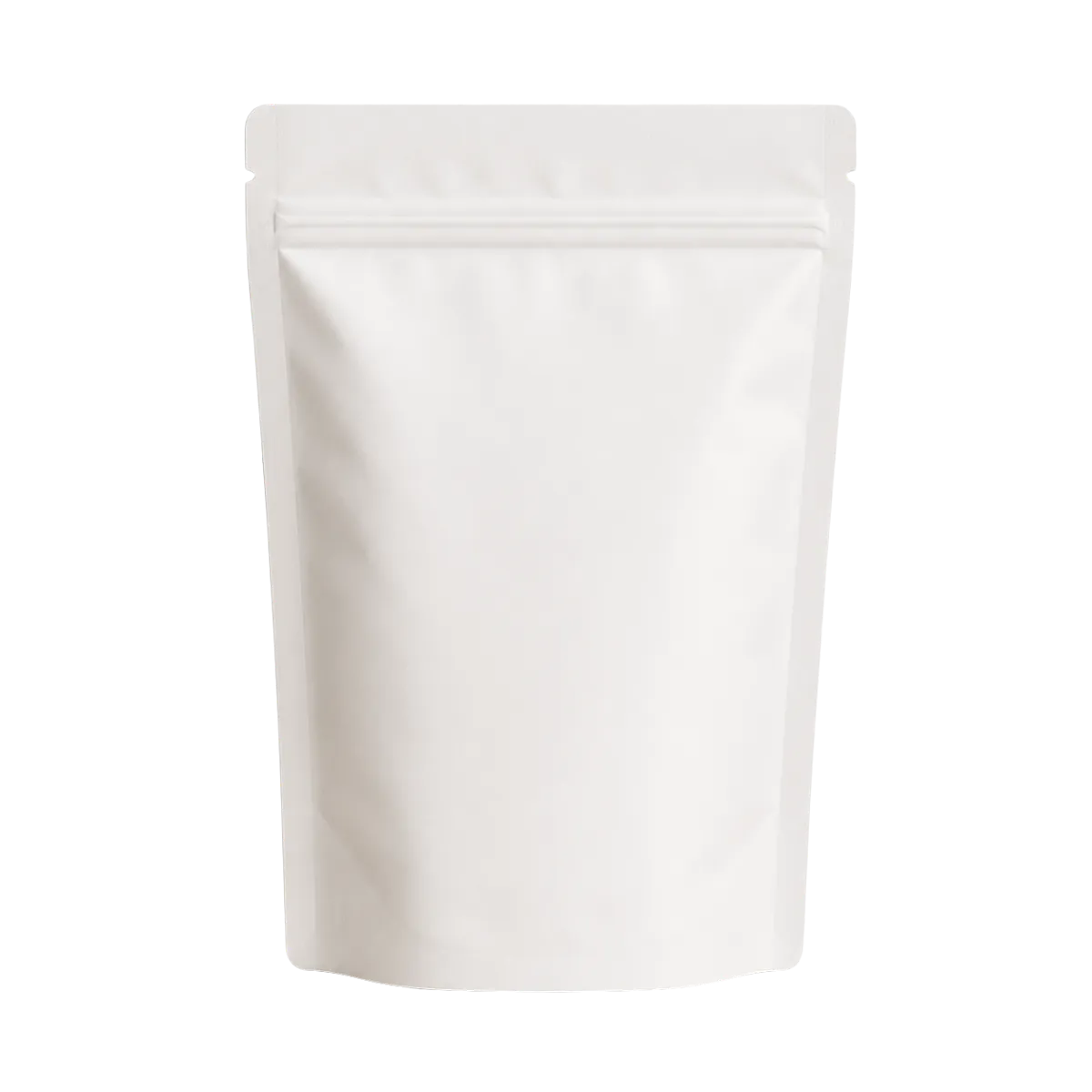
A premade-pouch machine feeds, opens, fills and seals a ready-made pouch. This route is evaluated when the required retail pack already has a stand-up base, zipper or another defined pouch structure.
- Product starting points
- Nuts, snacks, candy, beans, seeds, dried foods and other products suited to the confirmed pouch opening.
- Pouch direction
- Stand-up pouches support shelf display; zipper pouches add reclosure; structured pouches require their construction and stiffness to be reviewed.
- Confirm before selection
- Pouch dimensions, opening width, zipper position, target fill, pouch stability and product drop distance.
- Watch the final seal
- The product must clear the zipper and top-seal area. Rolling pieces, crumbs or product residue can interfere with pouch closing and sealing.
SINGLE-SERVE & SMALL FORMAT
Sachet or narrow stick pack?
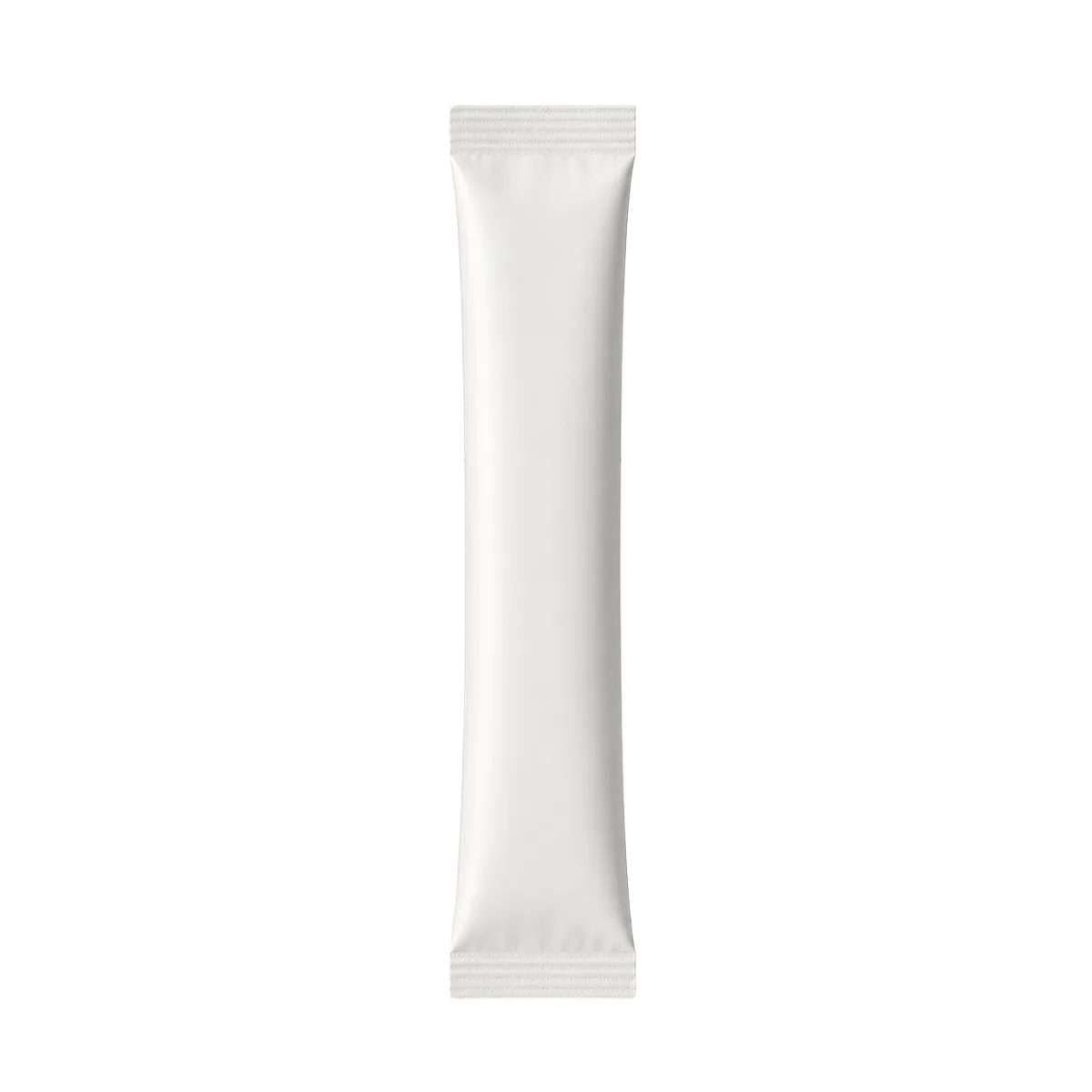
Small packs are considered for controlled doses of suitable free-flowing products. A sachet provides a wider product opening; a narrow stick pack requires the particle size and discharge path to fit its smaller cross-section.


- Product starting points
- Sugar, salt, small seeds and other small, dry products that can pass through the proposed pack opening.
- Format direction
- Use the required dose and pack geometry to compare sachets with stick packs rather than treating them as interchangeable.
- Confirm before selection
- Particle size, target dose, pack width, film layout, seal clearance, required total output and lane quantity.
- Do not force the format
- Large, long, fragile or bridging pieces should not be assigned to a narrow stick-pack route without sample and discharge testing.
The final solution combines three decisions: the dosing method, product-handling path and packaging-machine format.
CHANGEOVER, CLEANING & PRODUCT PROTECTION
Plan what happens between products—not only during the fill.
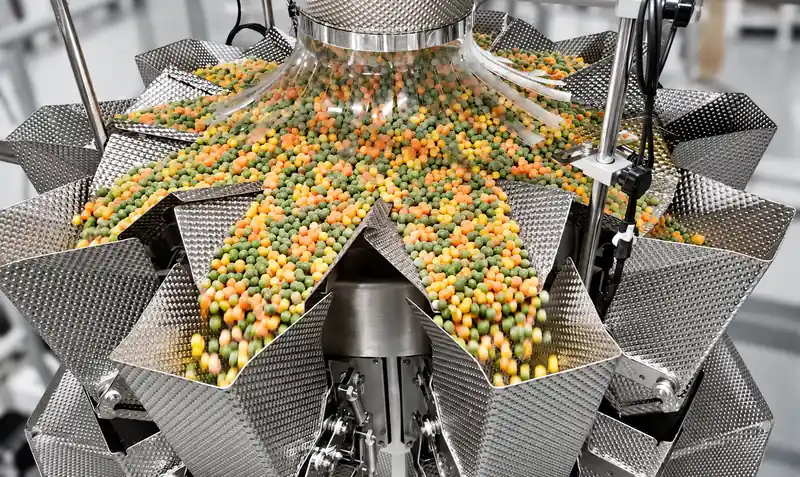
A packaging trial shows how one sample runs. A production-ready review must also consider what remains on the product path, how the next SKU will be introduced and which cleaning procedure your facility requires.
START WITH THE RESIDUE
Dry, oily, frosted and allergen-containing products do not create the same changeover.
Salt and sugar can leave fine particles. Nuts and seasoned snacks may leave oil, crumbs or flavour residue. Frozen foods can introduce frost and surface moisture. The cleaning method, access points and change parts therefore need to be reviewed for the actual product sequence and operating environment.
Map the product-contact path
Review the hopper, feeder, weighing surfaces, discharge chute, filling tube or pouch opening—plus any ledges or transfer points where product can remain.
Define the cleaning method
Confirm whether the facility uses dry removal, controlled wet cleaning or another validated procedure, and which parts must be removed, inspected and fully dried.
Control allergen cross-contact
When products with different allergen profiles share a line, production sequence and cleaning controls belong in the facility’s food-safety plan—not only in the machine setup.
Set the changeover target
SKU frequency, pack-size changes, removable tooling, inspection access and restart checks determine whether the proposed arrangement fits the production schedule.
GRANULE & SOLID PACKAGING FAQ
Questions to answer before selecting the machine.
Product samples and project data matter more than a category name. These answers explain what should be confirmed before speed, accuracy, bag compatibility or changeover performance is agreed.
01What information do you need to recommend a granule or solid packaging machine?
We can make an initial recommendation from clear product details, photos or videos. Please include the minimum and maximum piece size, surface condition, target pack weight, finished bag dimensions, packaging material and required output. Also identify the sales unit—weight, count or controlled mix—and the expected SKU, cleaning and changeover routine.
Representative samples then allow the proposed product path and dosing method to be tested before achievable performance is confirmed. Send your product and pack details ↗
02Which weighing system is suitable for rice, beans, nuts, candy or frozen food?
Yes, there are established dosing routes for all of these products. Multihead weighing is a common starting point for nuts, snacks, candy and many frozen foods; linear weighing can suit some free-flowing staples, while volumetric cup filling may suit products with stable bulk density. The final route depends on product flow, density variation, piece size, target weight and permitted giveaway.
03Can one packaging machine handle several products and pack weights?
Yes, one packaging system can often handle several products and pack weights when they stay within its agreed operating range. Operators may select a stored recipe and adjust the feeder, hopper, forming set, discharge path, bag-handling parts or sealing parameters. The exact change parts and changeover time depend on the differences between the products, bags and cleaning requirements.
04How can breakage be reduced when packing chips, nuts or other fragile solids?
Breakage can usually be reduced by controlling vibration, impact and drop height throughout the product path. Gentle feeding, suitable hopper opening, smoother contact surfaces and a shorter drop into the bag are common measures. The best combination depends on the product’s strength, dimensions, acceptable breakage level and the output required, so representative samples should be tested.
05How do you prevent grains, crumbs or frozen food from entering the seal area?
A clean seal can usually be achieved by completing the product drop before the sealing jaws close and providing enough clearance at the bag mouth. Feeder cutoff, discharge timing and sufficient headspace are the main starting controls. The final timing window or product-control arrangement depends on particle size, bounce, crumbs, seasoning, frost, bag dimensions and the actual film.
06What packing speed and weighing accuracy can the machine achieve?
A correctly configured system can provide repeatable weighing and stable production for suitable granule and solid products. The achievable figures depend on the actual product, target weight, allowable giveaway, feeding stability, bag size, dosing cycle and sealing time. Speed and accuracy should therefore be confirmed against the agreed sample, pack format and project conditions.
07How long does product changeover and cleaning take?
Changeover time can be reduced with stored recipes, accessible product-contact areas and removable parts designed for the agreed cleaning method. A simple pack-size adjustment can be much quicker than changing between oily, frosted or allergen-containing products. The confirmed time therefore depends on residue, product sequence, change parts, inspection access and the facility’s cleaning procedure.
