
PACKAGING FORMATS

Stand-Up Pouch Packaging.

Understand bottom gussets, zipper options and usable fill space before choosing your pouch and packing machine.
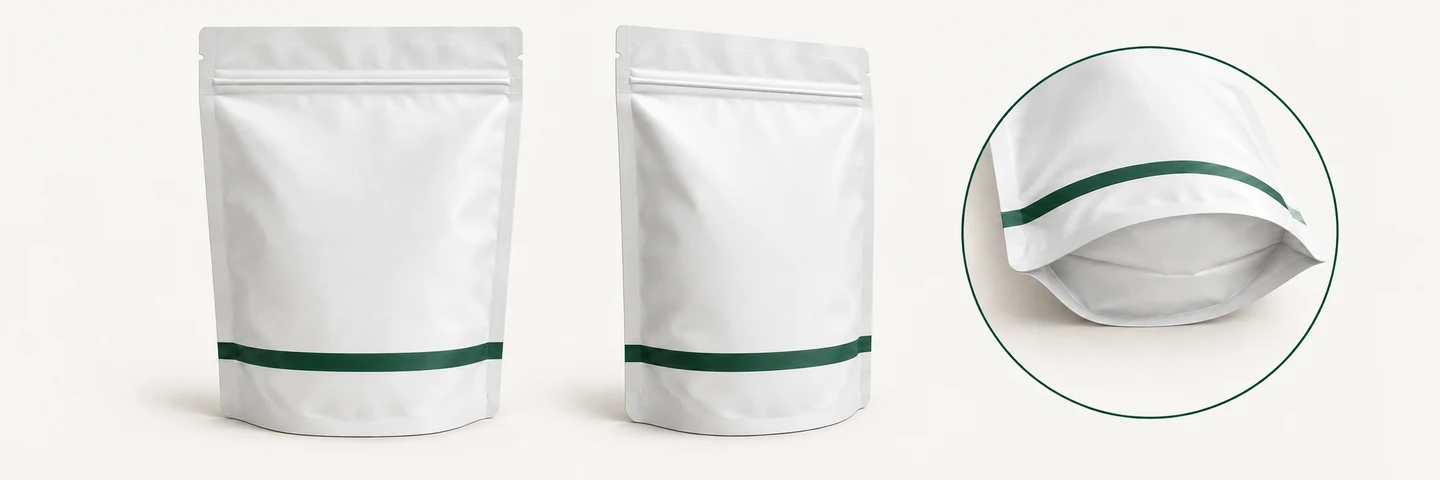
Illustrative white stand-up zipper pouches with a circular close-up of the bottom gusset

Illustrative pack format · not a production drawing

01 / UNDERSTAND THE FORMAT

What Is a Stand-Up Pouch?

A stand-up pouch is a flexible pack designed to stand upright when filled. Here, we focus on the common bottom-gusset format: the folded base expands to support the pouch, while the front and back panels hold the product.

Bottom-gusset stand-up pouch structureSimplified front view with top heat-seal area, optional zipper, narrow side seals and bottom gusset highlighted. The expanded base is shown separately below. Top sealareaZipper*Side sealBottomgussetExpanded base · simplified underside*Optional feature · schematic only
Illustrative geometry · not a production drawing or a seal specification

The bottom gusset creates the base.

The folded bottom opens as the pouch is filled. Its shape and the product inside influence how the finished pack stands. Bottom-seal designs vary; not every stand-up pouch uses the same seal pattern.

A zipper is an option, not the definition.

A stand-up pouch can have a zipper or no zipper. The zipper provides repeated opening and closing; it is separate from the top heat-seal area. A zipper pouch is not necessarily a stand-up pouch.

Side seals join the pouch panels.

Narrow side seals join the front and back panels in this example. The expanding fold is at the bottom, rather than along the full height of the sides.

Is every pouch that stands upright a stand-up pouch?

Not necessarily. Several pouch structures can stand upright when filled. This page focuses on bottom-gusset stand-up pouches. Side-gusset, quad-seal and flat-bottom formats have different fold and seal arrangements. Share a pouch sample or clear photos of the front, sides and base so we can identify your format.

02 / SIZE YOUR POUCH

Pouch Dimensions & Usable Fill Space

Start with the pouch’s outside width, overall height and bottom-gusset dimensions. Then check the space available for your product, the zipper and the final top seal. Confirm the fit with an actual filled sample before ordering printed pouches.
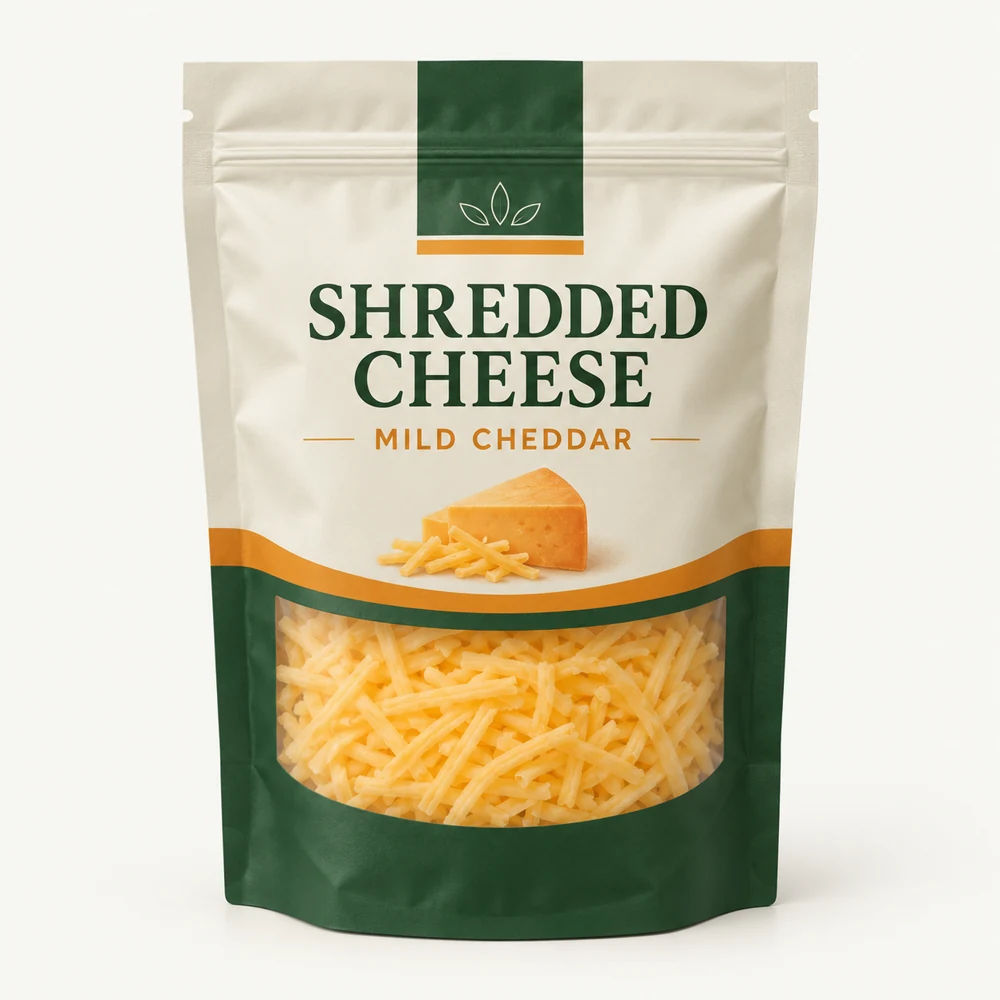
Original illustrative printed shredded cheese stand-up zipper pouchIllustrative outside width and overall height, zipper and top seal area of a printed cheese pouchW · Outside widthH · Overall heightTop seal area*Zipper
Generated pack example · not a production drawing or capacity guide
Measurement labels are illustrative. Measure an empty pouch laid flat, not the filled shape shown.
*Confirm the top-seal area with the supplier drawing and actual pouch.

Measure the pouch. Then test the fill.

Outside width & overall height

Measure an empty pouch laid flat, edge to edge, and include its existing sealed borders. Record the complete height to the top cut edge; do not add the top seal again. Tell us whether the measurements come from an empty or filled pouch.

Bottom-gusset measurement

Ask the pouch supplier to show exactly what their gusset dimension measures. A folded depth and the full opened dimension are different measurements. Include a marked drawing or photos; do not assume that the third number in a size listing uses your supplier’s convention.

Zipper & top-seal clearance

Record the zipper position and the area reserved for final sealing. Allow room for filling, closing the pouch and keeping product out of the seal area. The required clearance depends on the pouch, product and filling process.

Weight alone does not determine pouch size.

The same target weight can occupy different volumes. Check your actual product in the proposed pouch, including its filled shape, base expansion and room to close the pack.

03 / CHECK BEFORE ORDERING

Is Your Premade Pouch Ready for Automation?

Already filling clear zipper bags by hand? Those bags are premade pouches too, but their suitability for an automatic machine still needs review. Moving to automation may require changes to the bag specification or a different pouch format. Appearance and size alone do not establish compatibility.
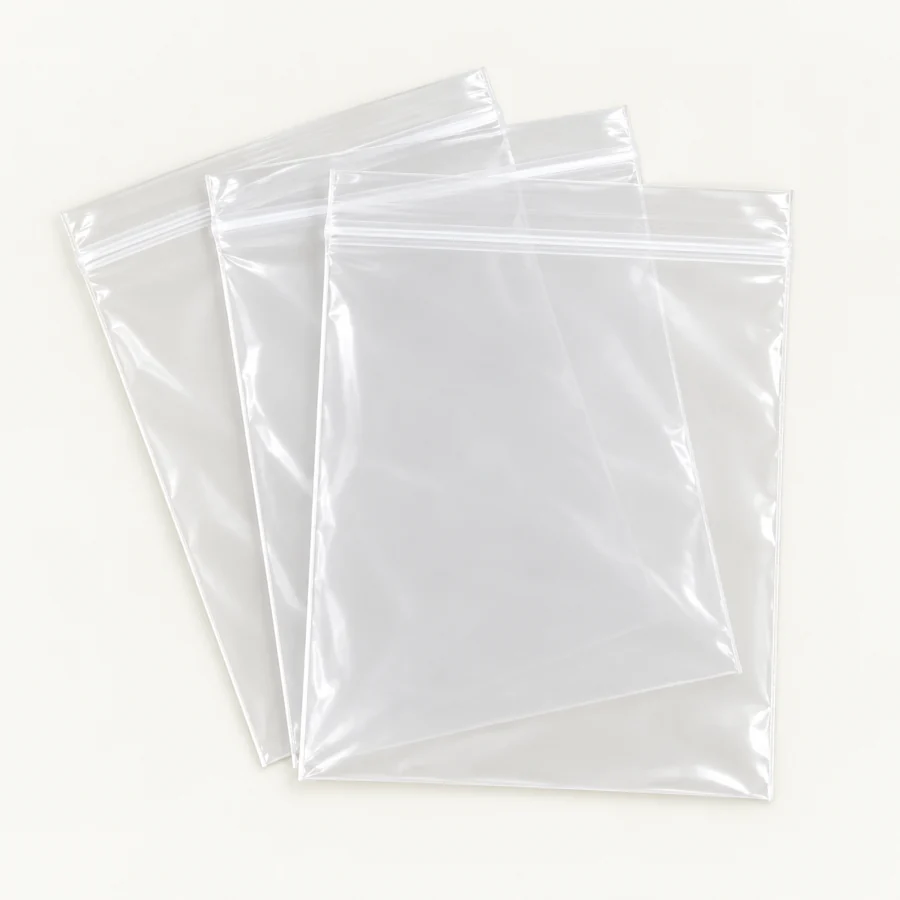
Generated illustration of transparent flat zipper bags, based on the supplied manual-packing bag reference
Existing Hand-Filled BagAn example of the clear zipper bags used in manual packing. Existing bags still need a machine review.Generated illustration based on the supplied bag reference
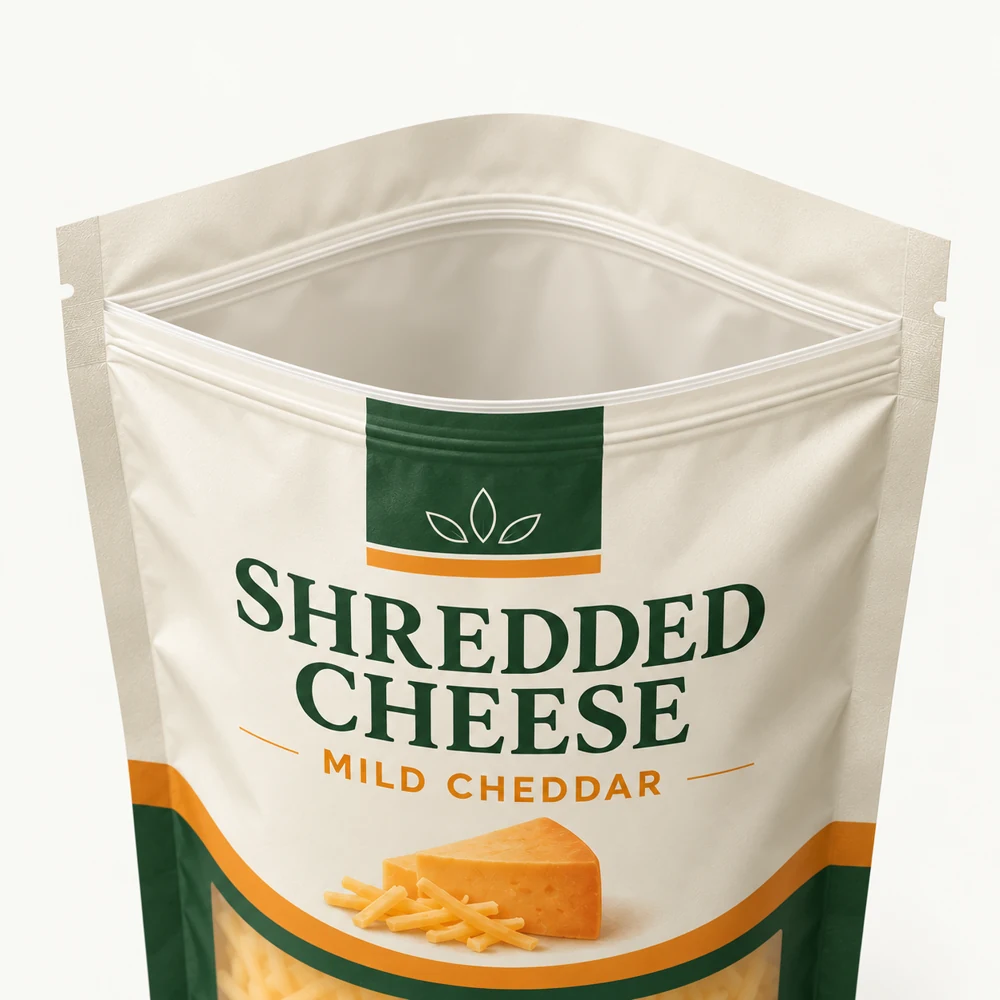
Illustrative printed cheese stand-up pouch with its mouth and zipper open, proposed for machine compatibility review
Proposed Pouch for Machine ReviewOne possible packaging direction. Final suitability depends on the actual pouch and machine trial.Generated packaging illustration
Feeding & Gripping

Review the pouch’s shape, flatness, material stiffness and available gripping area. The actual bags must feed and be held consistently through the intended process. Similar-looking pouches from different suppliers or batches still need review.

Opening & Filling

Check how the mouth separates, how the zipper opens if fitted, and how the bottom gusset expands. A pouch that is easy to open by hand is not automatically suitable for the machine’s opening method. Confirm the opening with the actual filling equipment and product.

Final Sealing

Confirm the sealant material, reserved top-seal area and the pouch’s condition after filling. Product in the seal area, folds or an unsuitable material and sealing setup can affect the result. Review filled samples and agree the required seal checks.

Confirm the pouch before a bulk order.

Send empty pouch samples, a supplier drawing showing the gusset, zipper and seal areas, the material specification, and your product and target fill. Add a filled sample or photo if available. Review any changes with the pouch supplier, then confirm the proposed setup through a machine trial before committing to the bulk pouch specification.

04 / BEFORE YOU DECIDE

Stand-Up Pouch Questions

How do I choose a stand-up pouch size for my target fill?

Start with a trial fill using your actual product. The same weight can occupy different volumes, so a listed capacity is only a starting reference. See the pouch dimensions and fill-space guide for the measurements to confirm.

Does the gusset size mean folded depth or opened width?

It depends on the supplier. Ask for a drawing that identifies the measured fold or edges; folded depth and full opened width are different measurements. The third number in a size listing is not enough to confirm the gusset specification.

Can automation reduce the time spent opening and expanding pouches by hand?

Yes, a suitable setup can automate pouch opening. Review the whole process, though: a faster sealer will not resolve a slower opening or filling step. Confirm the sequence and achievable output with your actual bags and product.

Should I buy premade pouches or printed rollstock for automatic packing?

Buy finished pouches for a premade pouch packing machine. It opens, fills and seals existing bags; making stand-up pouches from printed rollstock requires a different machine route. Confirm the supply format before ordering packaging or equipment.

Have a Pouch to Review?

Share your current bag or proposed pouch, product and target fill. We will review the next steps for your packing project.

Review My Pouch Project
Scroll to Top