
CHECKWEIGHING
Checkweighing for finished-pack weight review.
A checkweigher can be considered where finished packs need to pass through a defined weight-review point after filling, sealing or another confirmed packaging operation.
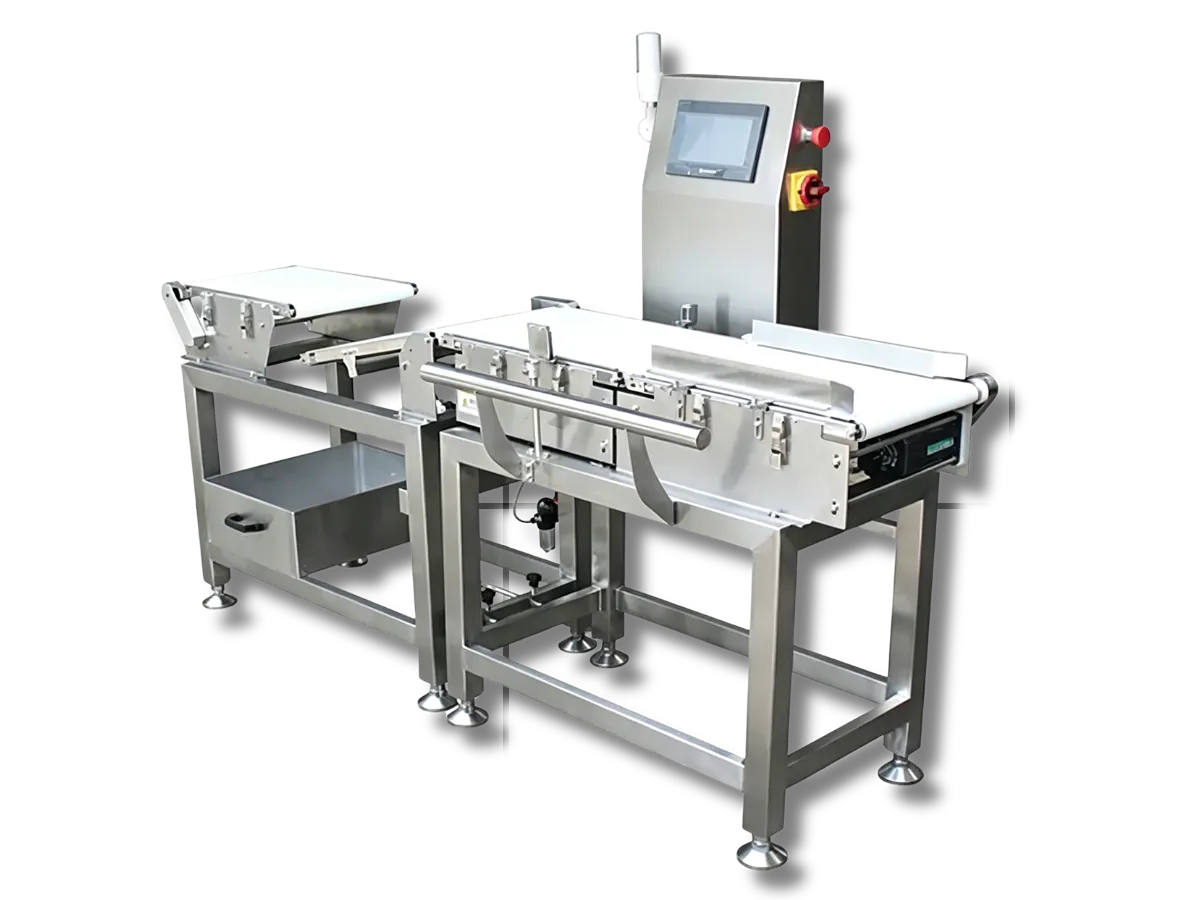
WHAT A CHECKWEIGHER DOES
Review the pack after its filling or closing step.
Each pack reaches the weighing point on a conveyor. Its measured weight is reviewed against the project requirement, then the pack moves into the agreed next handling stage.
- 01Packing or sealing
Complete the confirmed packaging step.
- 02Checkweighing
Review the finished pack by weight.
- 03Next handling stage
Transfer toward labelling, cartoning or another confirmed process.
WHAT TO CONFIRM
- Finished packWeight range, dimensions and transfer stability.
- Line positionEquipment before and after the proposed point.
- Pack handlingHow packs needing attention are managed.
Where should a checkweigher sit in the line?+
It is commonly reviewed after the pack has been filled and closed, where it can travel through the weighing position in a stable and repeatable way.
What information is needed to review a checkweigher?+
Share the finished-pack weight range, pack dimensions, material, presentation, line layout and the operations before and after the proposed position.
Can checkweighing be considered with metal detection?+
Both functions can be considered in the finished-pack area when the product, package, available space and handling process support the line arrangement.
Metal detection for packaged products.
Consider a metal detector machine where metal contamination is the inspection concern and finished packs need to pass through a defined control point before the next handling stage.
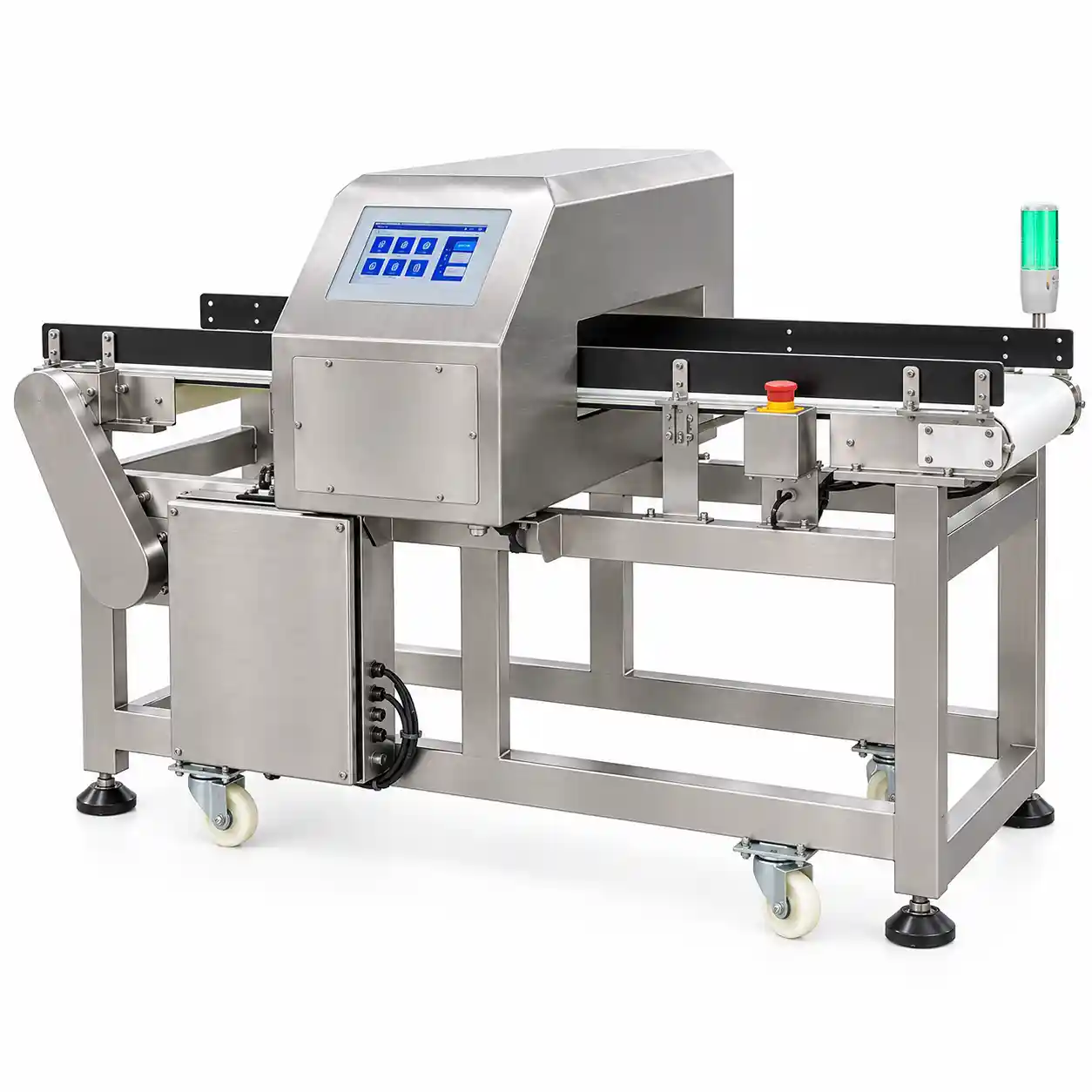
Inspect the pack where metal contamination is the concern.
Each product passes through the proposed inspection point as part of the packaging line. The equipment route is reviewed around the real product, package and the agreed handling process that follows.
CODING & LABELLING
Present the required information on the finished pack.
Review how product, batch, date, traceability or logistics information should appear at the appropriate point on the packaging line.
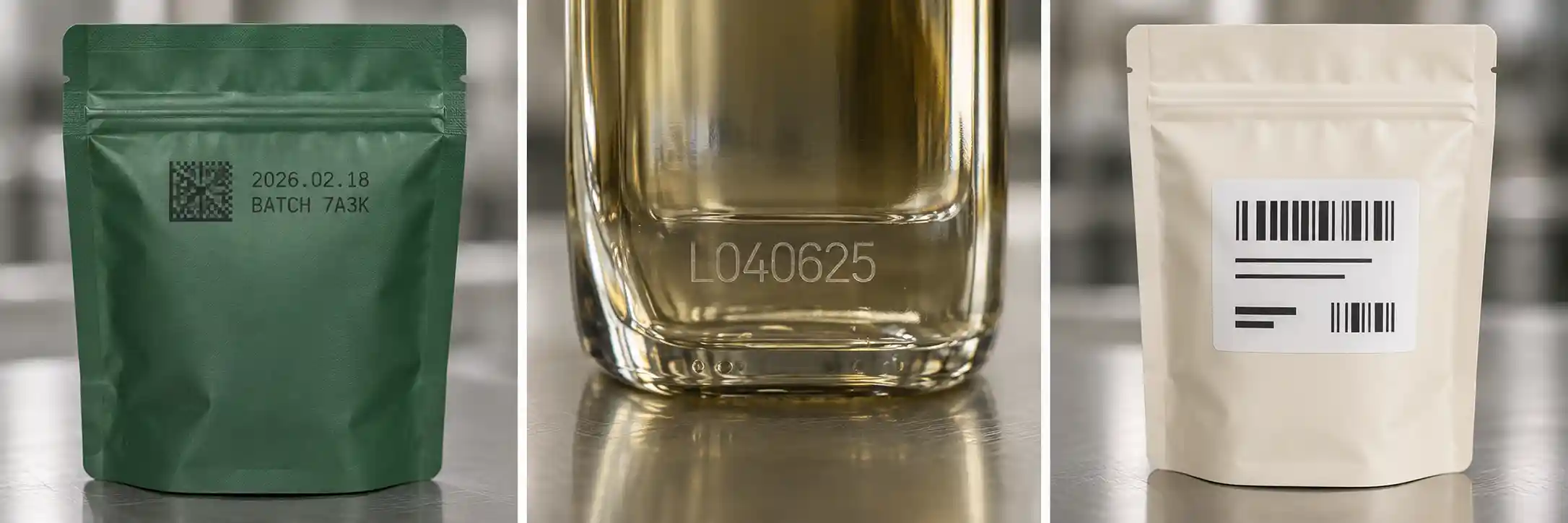
01 Thermal Transfer Coding
02 Laser Coding
03 Applied Pack Label
THE ROLE ON THE LINE
Choose the route around the pack, information and application position.
Direct coding places variable information on the pack surface. Labelling applies a separate label. Print & apply can be considered where variable label information needs to be printed and applied in one handling step.
Ribbon Coding · Inkjet Coding · Thermal Transfer · Laser Coding · Labelling · Print & Apply
- 01Define the pack information
Confirm the required text, date, batch, code or label content.
- 02Match the pack surface
Review material, available marking area and label position.
- 03Place it on the line
Set the application point around pack orientation and downstream handling.
WHAT TO CONFIRM
- Pack & surfacePackaging material, finish, dimensions and the usable coding or labelling area.
- Information layoutRequired content, code format, label size and the preferred presentation position.
- Line presentationPack orientation, available space and the handling process before and after application.
When should direct coding or a label be considered?+
It depends on the pack surface, required information, presentation area and how the finished pack will be handled. Review the real pack before choosing a route.
Can different pack formats use one coding or labelling point?+
This should be reviewed around pack dimensions, orientation, surface position, changeover needs and available line space.
What should be shared before the project is reviewed?+
Provide actual pack samples or packaging material, the required information layout, pack dimensions and the proposed position in the line.